

Why Fewer People Want a Tasting Menu

Key Takeaways
- The tasting menu is losing ground. James Beard Foundation chefs reported for 2026 that diners have less patience for a long set sequence that may not leave them full.
- Three complaints recur: the length, the lack of control, and the total cost arriving as one number decided before you sit down.
- À la carte fine dining answers each. Ordering what you want, in the quantity you want, at the pace you want, remains the format most people actually prefer.
What the Tasting Menu Promised
The pitch was good, and for a long time it worked.
Hand the kitchen control. Eat a sequence a chef designed, in the order they intended, without the noise of choosing. Trust the room and be taken somewhere.
At its best, that's a genuine experience. It also became the default definition of ambitious cooking, to the point where a serious restaurant without one seemed to be missing something.
Why It's Cooling
The James Beard Foundation's 2026 forecast put the shift bluntly, quoting one voice on a reduced public tolerance for the unbridled creativity of a tasting menu if it means not coming away full. The same piece pointed toward homier, saucier, bigger cooking — food that feeds the soul.
Three specific complaints sit underneath that.
The length
A twelve-course sequence runs three hours minimum. Some evenings warrant it. Most don't — and a Tuesday dinner that ends at eleven is a lot to ask.
The lack of control
You get what arrives. Someone who dislikes an ingredient, has a restriction, or simply wants a second helping of the good one has no move. Our guide to ordering around a steakhouse menu exists because choice matters to people.
The number
The price is set before you sit down, non-negotiable, and usually before wine. That's a hard commitment to make on a whim, and it removes the ability to spend where you care and save where you don't.
What Diners Want Instead
To choose
Ordering is part of eating out. Reading a menu, weighing options, landing on something — losing that removes a pleasure people didn't know they valued until it was gone.
To be full
Generous portions have stopped being unfashionable. The large-format dishes chefs are predicting for 2026 are the clearest sign.
To set the length
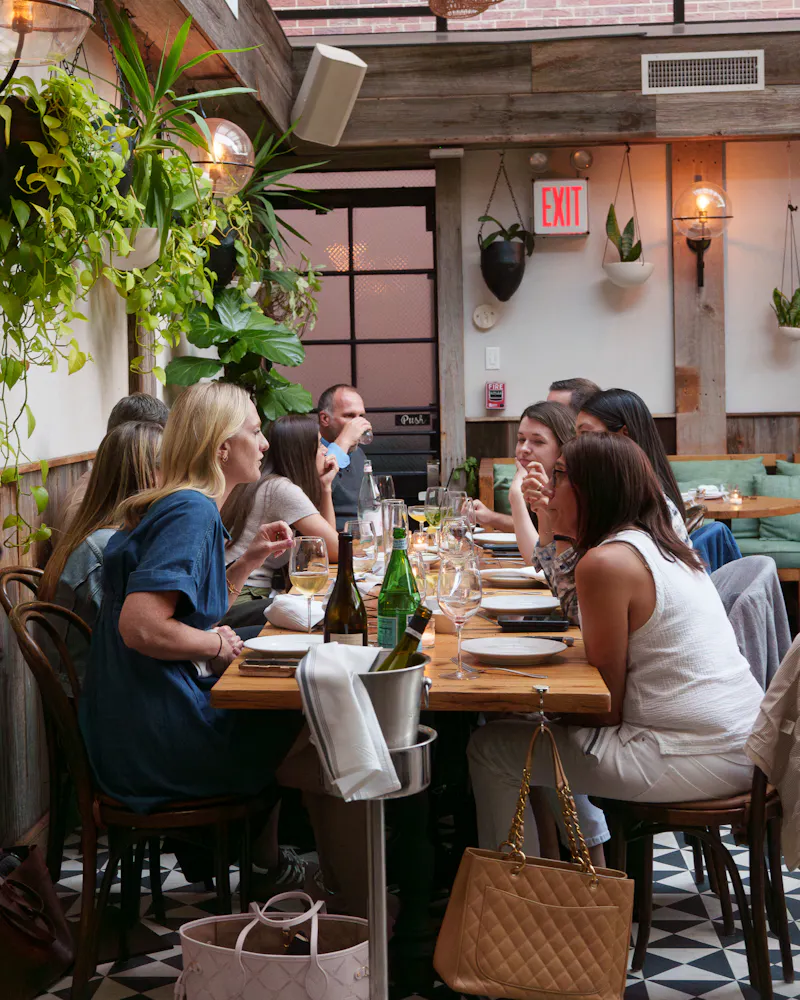
Two courses or five. Ninety minutes or three hours. The same restaurant should accommodate a quick business lunch and a long anniversary dinner.
To repeat themselves
A tasting menu changes. A restaurant you love for one specific dish rewards returning. Regulars are built on favorites, not on novelty.
What Fine Dining Looks Like Without One
Skipping the tasting menu doesn't mean skipping ambition. The technique shows up in the à la carte column instead.
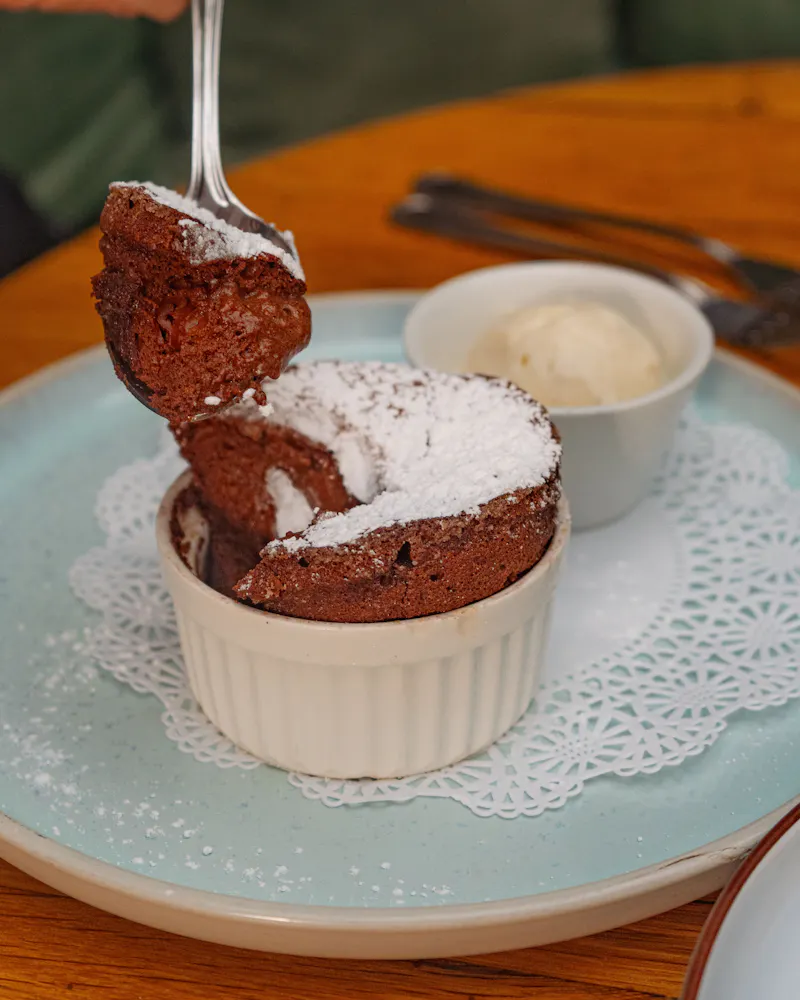
A chocolate soufflé prepared à la minute is as demanding as anything on a tasting sequence. So is house-made pasta, an in-house dry-aging program, or a whole fish carved at the table.
Sofia runs all of those without a set sequence. NJ Digest's review framed the restaurant in terms of timeless elegance and modern culinary excellence — arrived at through the menu rather than around it.
The prix fixe middle ground
For anyone who does want structure, a short prix fixe splits the difference. Sofia runs two — the Lunch Table and the three-course Theater Prefix for Bergen PAC showgoers.
Three courses with choices at each, on a schedule you control. Most of the benefit, none of the commitment.
When a Tasting Menu Is Still Right
Fairness requires saying it: sometimes the format is exactly right.
A destination restaurant you've waited months for. A once-a-year celebration where the meal is the entire evening. A chef whose specific point of view you want delivered undiluted.
For those occasions, hand over control. For a Thursday, order what you feel like eating.
Questions
What is a tasting menu?
A tasting menu is a fixed multi-course sequence chosen by the kitchen rather than the diner, usually served at a set price. Courses are typically small and numerous, and the meal often runs two to three hours or longer.
Why are tasting menus becoming less popular?
Chefs surveyed by the James Beard Foundation for 2026 pointed to reduced patience for long set sequences, particularly where diners finish the meal without feeling full. Length, lack of choice, and a fixed price set before arriving are the common objections.
Is à la carte less impressive than a tasting menu?
No. Technique appears in either format. A soufflé made to order, house-made pasta, in-house dry-aged beef, and a whole fish carved tableside all demand the same skill whether served in a set sequence or ordered individually.
Does Sofia have a tasting menu?
Sofia in Englewood, NJ serves à la carte, with two prix fixe options — a Lunch Table menu and a three-course Theater Prefix served in the late afternoon for theatergoers.
What's the difference between a prix fixe and a tasting menu?
A prix fixe offers a set number of courses with choices at each, usually three, at a fixed price. A tasting menu is longer, chosen entirely by the kitchen, and offers little or no choice.
About Sofia Englewood
Sofia is a fine dining Italian steakhouse in downtown Englewood, NJ, serving à la carte alongside two prix fixe options. The kitchen runs wood-fired USDA Prime dry-aged steaks, house-made pasta, wild-caught whole fish, a raw bar with caviar service, and a chocolate soufflé prepared à la minute.
For reservations and private events, call (201) 541-8530. Full menus and hours and location are on the site.