

Why Spicy Rigatoni Is Suddenly Everywhere

Key Takeaways
- Spicy rigatoni was one of the fastest-rising terms in restaurant reviews last year, with mentions climbing 56% year over year according to OpenTable's 2026 dining trends data — ahead of smashburgers, caviar, and mezcal.
- The dish works because four things are doing real jobs: vodka pulls flavor compounds out of the tomato, Calabrian chili brings fruity heat rather than blunt burn, cream rounds the acidity, and the rigatoni's ridges and hollows trap all of it.
- Sofia serves two versions in Englewood — a classic Spicy Rigatoni with Calabrian chili vodka sauce, and a Lobster Spicy Rigatoni with lobster chunks and parmigiano reggiano.
First, the Data
OpenTable tracked the fastest-growing keywords in diner reviews across 2025 into 2026. Spicy rigatoni landed near the top of the list, up 56% year over year — outpacing smashburger at +37%, caviar at +35%, and mezcal at +29%.
That's a striking number for a dish that, a decade ago, most people would have described simply as "penne alla vodka" and not thought about again.
So what happened? Partly social media, which rewards a dish that photographs well and has a name people can repeat. But trends built on nothing collapse fast, and this one hasn't. The dish has staying power because each of its four components is doing something specific.
Component One: The Vodka
The most common question about vodka sauce is whether the vodka matters, and the honest answer is yes — but not for the reason most people assume.
You aren't tasting it. Nearly all the alcohol cooks off, and what remains is far too little to register as flavor or effect.
What the vodka does is chemical. Certain aromatic compounds in tomatoes dissolve in alcohol but not in water or fat, which means they stay locked up in a plain tomato sauce. Adding alcohol releases them, and they carry to your nose and palate in a way they otherwise wouldn't.
Vodka also helps cream and tomato stay bound together rather than separating, which is why the sauce has that particular glossy, emulsified texture rather than looking curdled.
It's a functional ingredient masquerading as a gimmick.
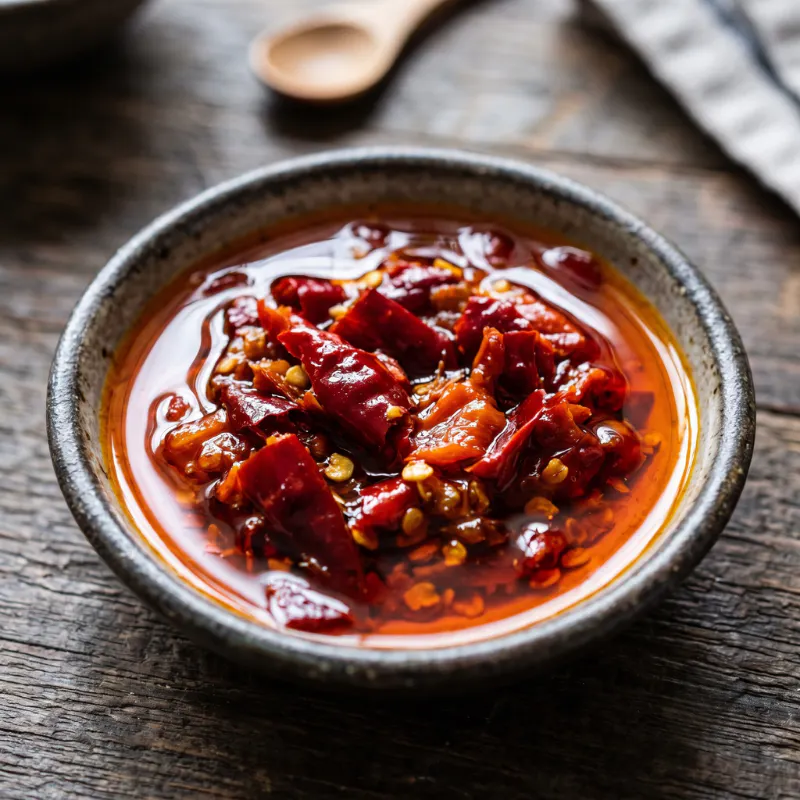
Component Two: Calabrian Chili
This is the piece that separates the current version from the penne alla vodka of the 1980s, and it's the reason the dish came back.
Calabrian chilies come from the southern tip of Italy. They're typically packed in oil after being dried or preserved, and their character is distinctive — fruity and slightly smoky, with a heat that arrives warm and rounded rather than sharp.
That distinction matters. Generic crushed red pepper adds burn without flavor; you feel it and taste nothing. Calabrian chili adds burn and a fruity, faintly sweet depth that plays against the tomato and cream. The heat becomes part of the dish rather than a layer on top of it.
The oil the chilies are packed in carries flavor too, which is why the sauce takes on that particular orange-red color.
Calabrian chili shows up elsewhere on Sofia's menu as well — the lunch Faroe Island Salmon uses it — which suggests a kitchen that reaches for it as a real ingredient rather than a trend garnish. The broader Italian approach to heat runs through the menu, from Italian long peppers to fra diavolo preparations.
Component Three: The Shape
Rigatoni is not an incidental choice, and swapping in another shape genuinely changes the dish.
The sauce here is thick, creamy, and studded with bits of chili. That kind of sauce needs somewhere to go. Rigatoni's wide hollow tubes fill with it, and the ridges running along the outside catch and hold what doesn't get inside.
Compare that to spaghetti, where a heavy cream sauce slides down the strands and pools at the bottom of the bowl. Or to a smooth penne lisce, which has the tube but not the ridges, so the sauce grips less.
The principle — that shape is a decision matched to the sauce, not a default — runs through serious Italian kitchens. Our house-made pasta guide covers the full shape-to-sauce logic and why fresh pasta changes the equation again.
Component Four: The Cream
Tomato is acidic. Chili is hot. Left alone, those two would make a sharp, aggressive sauce.
Cream rounds both. It softens the acidity into something fuller, and it distributes the chili heat evenly across the palate rather than letting it spike. The result is a sauce that reads as rich and warming instead of sharp and punishing — which is exactly why the dish appeals to people who don't normally order spicy food.
That balance is the whole trick. Spicy rigatoni is comfort food that happens to have heat, rather than a heat-seeking dish with comfort attached.
The Two Versions at Sofia
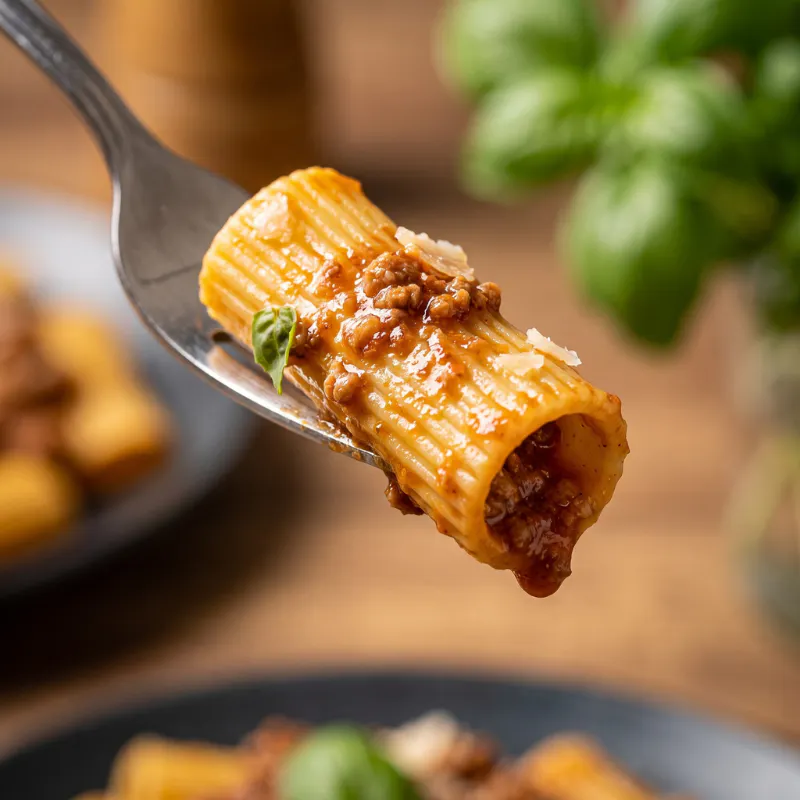
Spicy Rigatoni — Calabrian chili spiced vodka sauce. The straightforward version, and the one that appears across the most menus: lunch, happy hour, the industry menu, and the three-course Theater Prefix, which our Bergen PAC guide covers for anyone eating before a show.
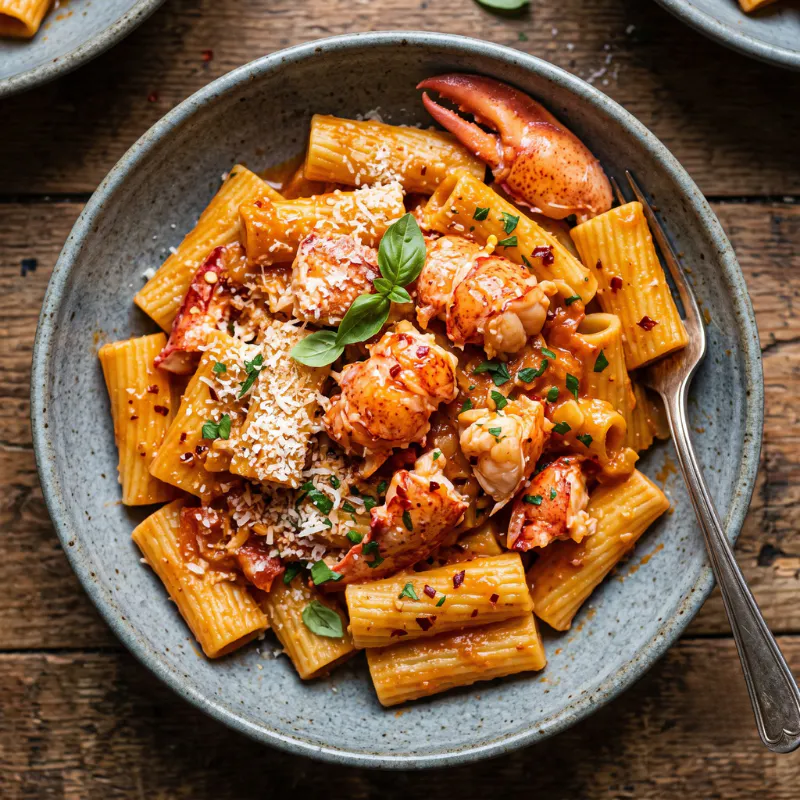
Lobster Spicy Rigatoni — vodka sauce, Calabrian chili, lobster chunks, parmigiano reggiano. The upgrade, on both dinner and lunch.
The lobster version is worth understanding as a construction. The lobster is chunked into the sauce rather than presented whole, which means the tubes trap meat along with sauce and every bite carries some. It's the version to order when you want lobster without shell work — a distinction our lobster guide walks through across all eight preparations on the menu.
Sweet lobster against chili heat and cream is also a genuinely good pairing, not just an expensive one.
How to Order It Well
Know which version you want. The classic if you're after the dish itself; the lobster version if you want it to be dinner rather than a course.
Treat it as a middle course. In the Italian structure, pasta is the primo — ordering one to share and following with fish or a steak gives the meal its proper arc.
Drink something with acidity. Cream and chili both want a wine that cuts rather than adds weight. A crisp Italian white works; so does a lighter red. Skip the big structured Cabernets, which have their place beside a dry-aged steak and get flattened here. Our Italian wine pairing guide covers the logic.
Ask about the heat level. Kitchens vary, and any kitchen using Calabrian chili as a real ingredient can usually adjust it.
Order it at happy hour. It's on that menu, which makes it one of the more substantial things available at the bar rather than a small plate.
Why This One Stuck
Plenty of dishes trend and vanish. This one has lasted because it isn't actually new — it's a decades-old Italian-American preparation that got a genuine improvement.
The vodka sauce was always there. Adding Calabrian chili gave it heat with flavor behind it, and rigatoni gave the sauce a better vehicle than penne. Neither change is cosmetic. Both make the dish measurably better.
That's usually the difference between a trend that holds and one that doesn't: whether the change was a rebrand or an actual improvement to how something tastes.
Quick Questions
What is spicy rigatoni?
Spicy rigatoni is a pasta dish made with rigatoni in a creamy tomato vodka sauce spiced with chili — most often Calabrian chili. The tubular, ridged shape traps the thick sauce, and the cream balances the acidity of the tomato against the heat of the chili.
Does vodka sauce actually have vodka in it?
Yes, though nearly all the alcohol cooks off. The vodka serves a chemical purpose: it releases aromatic compounds in tomatoes that don't dissolve in water or fat, and it helps the cream and tomato emulsify into a smooth, glossy sauce.
What is Calabrian chili?
Calabrian chili is a variety from the Calabria region of southern Italy, usually preserved in oil. Its heat is warm and rounded rather than sharp, with a fruity, faintly smoky flavor that adds depth rather than just burn.
Why is spicy rigatoni so popular?
Diner mentions of spicy rigatoni rose 56% year over year in OpenTable's 2026 trends data. The dish combines familiar comfort — creamy tomato sauce — with genuine flavor complexity from Calabrian chili, and photographs well, which has helped it spread on social media.
What's the difference between penne alla vodka and spicy rigatoni?
They share a vodka-tomato-cream base. Spicy rigatoni adds chili heat, typically Calabrian, and uses rigatoni rather than penne — a shape with wider hollows and outer ridges that hold a thick sauce better.
Where can I get spicy rigatoni in Bergen County?
Sofia, a fine dining Italian steakhouse in Englewood, NJ, serves Spicy Rigatoni with Calabrian chili vodka sauce, and a Lobster Spicy Rigatoni with lobster chunks and parmigiano reggiano, across its dinner, lunch, and happy hour menus.
About Sofia Englewood
Sofia is a fine dining Italian steakhouse in downtown Englewood, NJ, recognized by NJ Digest for "timeless elegance coupled with modern culinary excellence." The house-made pasta program includes Spicy Rigatoni in a Calabrian chili vodka sauce and a Lobster Spicy Rigatoni with lobster chunks and parmigiano reggiano, alongside Spaghetti Lobster, Ravioli al Limone, Pappardelle with filet mignon ragout, and gluten-free, whole grain, red lentil, and zucchini pasta options. The kitchen also serves wood-fired USDA Prime dry-aged steaks, daily-flown seafood, a raw bar with caviar service, and a curated Italian-and-American wine list.
For reservations and private events, call (201) 541-8530 or book online. Full menus and hours and location are on the site.