

The Chocolate Soufflé Test: How to Judge a Fine Dining Dessert Menu

Key Takeaways
- A chocolate soufflé prepared à la minute is the single clearest signal on a dessert menu. It's made from scratch when you order it, it can't be prepped ahead, and it collapses if mishandled — so kitchens that aren't confident simply don't offer one.
- Order it early. À la minute means the clock starts when the order reaches the kitchen, so tell your server at the beginning of the meal rather than after the mains are cleared.
- The soufflé is one tell among several. Made-to-order items, temperature contrast on the plate, house-made components, and a short menu all point to a real pastry program rather than a freezer.
The Twenty-Minute Dessert
Most restaurant desserts are finished before you arrive. Made in the morning, portioned, plated on request. That's not a scandal — it's how volume works, and plenty of excellent desserts are made ahead by design.
A soufflé can't be.
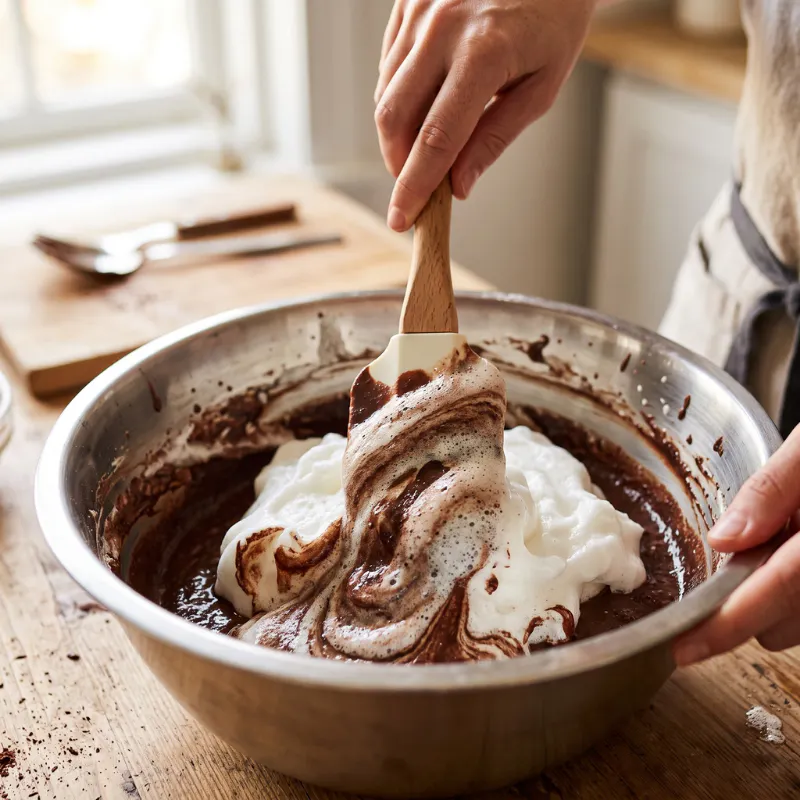
À la minute — French for "in the minute" — means the dish is made from scratch at the moment it's ordered. For a chocolate soufflé, that means whipping egg whites to the right peak, folding them into a chocolate base without knocking the air out, filling a buttered ramekin, and baking it while the clock runs. The whole thing takes real time, and there's no shortcut.
Which is why a soufflé on a menu tells you something. A kitchen has decided to accept an order it can't prepare in advance, can't hold, and can't remake quickly if it fails.
Order It at the Start
The practical consequence: tell your server early. Ordering a soufflé after your plates are cleared means sitting through the wait with an empty table.
Good service teams will prompt you — a server who asks about dessert while you're still on the mains is usually doing exactly this. Take the hint.
What a Soufflé Can't Fake
The technique is unforgiving in a few specific ways, and that's the point.
The egg whites have to be right. Underwhipped, and there's not enough air to lift. Overwhipped, and the structure is brittle and collapses in the fold. There's a narrow window.
The fold has to be gentle. All the rise lives in the air suspended in those whites. Stir instead of fold and you've deflated the dessert before it reaches the oven.
The oven can't be opened. A rush of cool air mid-bake collapses the whole thing.
It can't wait. A soufflé begins falling within a minute or two of leaving the oven, which means the pass, the runner, and the table all have to be synchronized. That's a service problem as much as a kitchen one.
A restaurant offering soufflé is claiming competence in both the pastry station and the floor. Most kitchens decline the risk.
Four Tells on Any Dessert Menu
The soufflé is the clearest signal, but not the only one. Here's what to look for anywhere.
Tell | What it looks like | What it means |
Made-to-order items | Soufflé, affogato, anything "à la minute" | The pastry station is staffed and trusted |
Temperature contrast | Warm cake with cold gelato; torched meringue with sorbet | Someone is composing plates, not just portioning |
House-made components | Custards, mousses, filled pastry | Real production rather than purchased goods |
A short menu | Eight or nine items, not twenty | Confidence — a long dessert list usually means a freezer |
Temperature Contrast Is the Underrated One
Hot-against-cold is a deliberate choice that requires two components finished at different times and married at the last second.
Sofia's Chocolate Soufflé arrives with vanilla gelato. The Crostata di Pesche pairs torched meringue with coconut lime sorbet. Sticky Toffee Pudding comes with dulce de leche ice cream. Each of those plates is doing something a single-temperature dessert doesn't.
The Make-Ahead Desserts That Still Signal Craft
Made in advance doesn't mean lazy. Several classics are supposed to be made ahead — they need setting time — and they're their own kind of test.
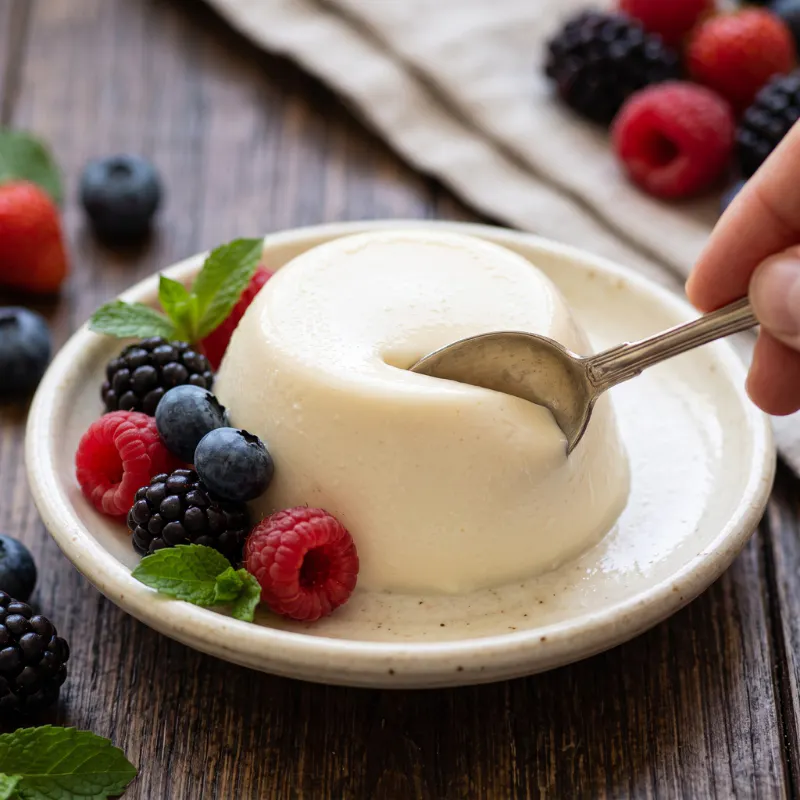
Panna Cotta is the most exposed dessert on any Italian menu. Vanilla custard cream and berries, nothing else. Set too firm and it's rubbery; too loose and it won't hold. Getting the wobble right is a technical achievement hiding inside a simple dish.
Tiramisu is everywhere, which is precisely why it's diagnostic. Made properly — real mascarpone, ladyfingers soaked but not sodden, espresso present rather than assumed — it's excellent. Made from a tub, it's a sponge with cocoa on top. You can tell in one bite.
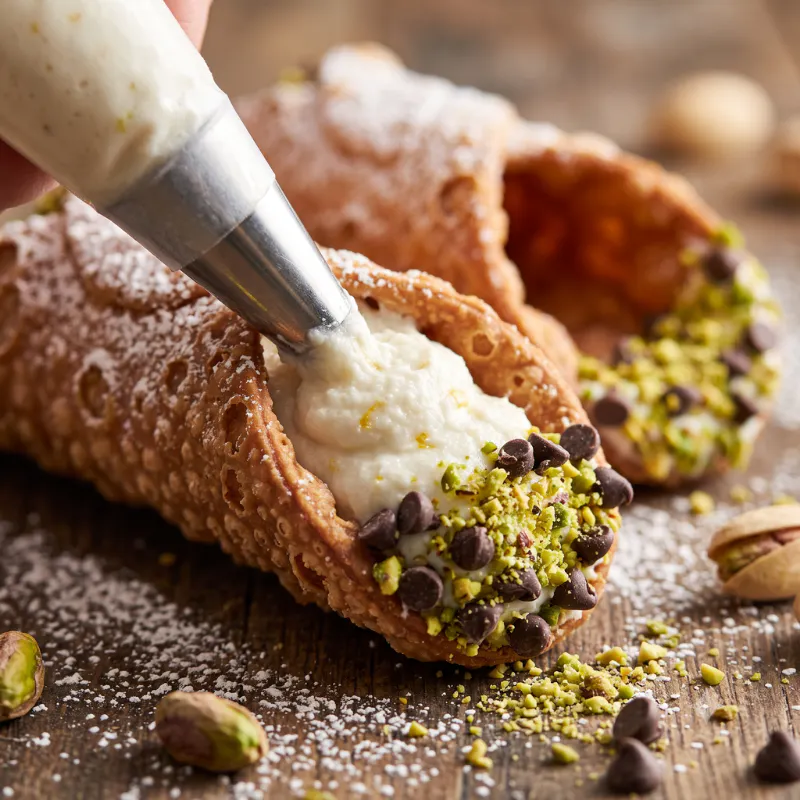
Cannoli has a single rule: fill to order. Ricotta filling migrates moisture into the shell within minutes, so a crisp shell means someone filled it when you asked. A soft one means it sat.
Gianduja Parfait — hazelnut chocolate parfait, dark chocolate ganache, chocolate matcha crumble, vanilla gelato — is a composed dessert with four distinct components. Nobody assembles that many elements without a real pastry operation behind it.
Reading a Menu That Takes Dietary Needs Seriously
One more signal, easy to miss: whether the dessert menu marks anything.
A kitchen that flags gluten-free desserts has thought about the guest who otherwise sits through the last course watching everyone else eat. On Sofia's menu, the Spumoni di Banana, Chocolate Soufflé, and Panna Cotta are all marked gluten free — three genuine options rather than a token sorbet.
The signal isn't really about dessert. It's about whether a kitchen considers guests it doesn't have to. That same attentiveness is what separates fine dining from merely expensive dining, a distinction our casual vs. fine dining guide works through.
How to Order Dessert Well
Flag the soufflé early. If anyone at the table wants one, say so when the mains are ordered.
Share across the table. Two or three desserts among four people beats one each, and you get contrast — something warm, something cold, something light.
Match it to the meal you just had. After a heavy steak dinner, go lighter — panna cotta, gelato, berry mousse. After a lighter fish course, the soufflé or the sticky toffee pudding has room.
Add something to drink. Dessert with a digestivo is the proper Italian close, which our dolci and digestivo guide covers in full.
Don't skip it to save time. The last course is where the evening settles. Rushing past it is the most common way to end a good meal badly.
Quick Questions
What does à la minute mean? À la minute is French for "in the minute" and describes a dish prepared from scratch at the moment it's ordered, rather than made in advance. A chocolate soufflé prepared à la minute is baked fresh for your table, which is why it takes longer to arrive than other desserts.
Why does a soufflé take so long? A soufflé is assembled and baked only after you order it. The egg whites must be whipped and folded, the ramekin filled, and the dessert baked through — a process that can't be shortened or prepared ahead, since a soufflé begins collapsing within minutes of leaving the oven.
When should you order a soufflé? Order it at the start of the meal or when your mains are ordered. Because it's made to order, waiting until after your plates are cleared means a long gap at the table.
What makes a good dessert menu at a fine dining restaurant? Look for made-to-order items like a soufflé, temperature contrast such as warm cake with cold gelato, house-made components like custards and mousses, and a short list rather than a long one. A long dessert menu often signals purchased goods rather than a working pastry station.
Does Sofia have gluten-free desserts? Yes. Sofia in Englewood, NJ marks three desserts gluten free on its menu: the Spumoni di Banana, the Chocolate Soufflé, and the Panna Cotta.
Why is panna cotta a good test of a kitchen? Panna cotta is vanilla custard cream and berries with nothing to hide behind. Set too firm it turns rubbery, too loose and it won't hold its shape. Achieving the correct delicate wobble is a technical skill disguised as a simple dessert.
About Sofia Englewood
Sofia is a fine dining Italian steakhouse in downtown Englewood, NJ, recognized by NJ Digest for "timeless elegance coupled with modern culinary excellence." The dessert menu includes a Chocolate Soufflé prepared à la minute, Panna Cotta, Tiramisu, Cannoli, Spumoni di Banana, Gianduja Parfait, Sticky Toffee Pudding, and a seasonal Crostata di Pesche, with three gluten-free options. The kitchen also serves wood-fired USDA Prime dry-aged steaks, house-made pasta, and a curated Italian-and-American wine list.
For reservations and private events, call (201) 541-8530 or book online. Full menus and hours and location are on the site