

Casual vs. Fine Dining: Choosing the Right Vibe for Your Next Night Out

Key Takeaways
- The casual vs fine dining decision isn't really about price — it's about what the night is for. Casual restaurants exist to feed you well. Fine dining restaurants exist to deliver an experience that lasts three hours and stays with you for weeks. Knowing which one your evening calls for is the whole skill.
- Real fine dining shows up in four places: ingredient sourcing, service rhythm, room design, and menu pacing. A restaurant that gets one or two of these right is upscale. A restaurant that gets all four right is fine dining. The difference is visible the moment you sit down.
- Bergen County has serious fine dining options that don't require a trip into the city. The closer ones cost less in time, parking, and friction — which means more of the evening goes to the meal and less to the logistics.
People treat the casual-versus-fine-dining question like a budget decision. It isn't. Plenty of casual restaurants run $80 a head once you add appetizers, drinks, and dessert.
Plenty of fine dining venues offer prix-fixe menus that come in lower than a steakhouse chain. The cost overlap is real — and it confuses the real question, which is what kind of evening you want.
A casual dinner is built around the food. You order, you eat, you talk, you leave. A fine dining evening is built around the experience — the room, the service rhythm, the pacing, the wine program, the moment when a server fillets a whole fish at your table.
The food is still the anchor, but it's part of something larger. Two hours minimum, often three. A different category of evening entirely.
The framework below covers what truly separates the two categories, when each one is the right call, and how to pick the venue that matches the night you're trying to have.
Useful whether you're planning an anniversary, a business dinner, a celebration, or a Tuesday that you want to feel like more than a Tuesday.
What Separates Casual From Fine Dining
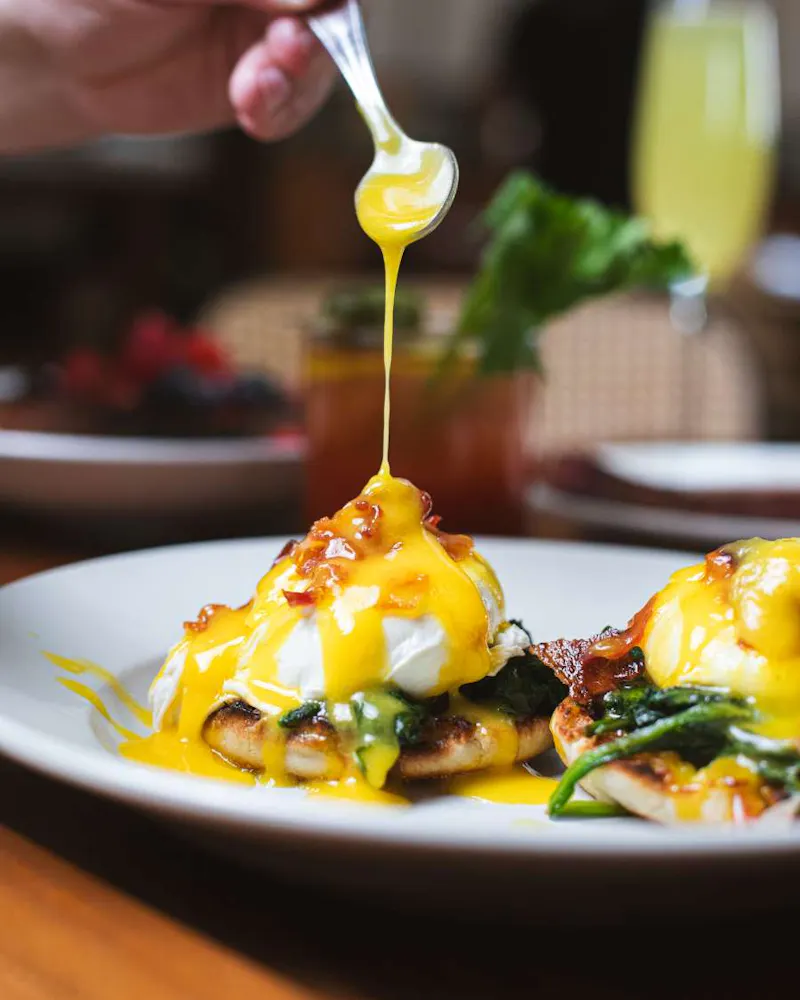
The line between casual and fine dining isn't where most people think it is. A $45 entree at a trendy gastropub doesn't make it fine dining.
A $28 plate of pasta at a serious Italian restaurant can be exactly that. The difference is structural.
Casual restaurants optimize for turnover. Tables flip every 75-90 minutes. Service is friendly but quick. The menu is wide and forgiving.
The room is loud enough to hide a bad conversation but not quiet enough to support a great one. None of that is a criticism — it's the job. Most nights, that's exactly what you want.
Fine dining optimizes for the opposite. Tables hold for 2-3 hours by design. Service is choreographed, with multiple staff members touching your table at different stages.
The menu is narrower and more deliberate. The room is engineered for acoustic comfort and visual atmosphere. Every element is built to make the meal feel like the destination, not the pit stop.
The Common Misconception
Most people equate fine dining with formality. White tablecloths, hushed voices, intimidating wine lists. That picture is outdated.
Modern fine dining Englewood NJ diners now expect looks more like a lively, well-designed room with energy in the air, smart-casual dress, and a service team that's warm rather than stiff. The formality went away. The standards stayed.
The Four Markers of a True Fine Dining Experience
The shorthand for whether a restaurant qualifies as a real fine dining experience comes down to four signals. Check all four and you're in.
1. Ingredient Sourcing You Can Verify
Fine dining restaurants name their suppliers, their cuts, their fish species, and their producers.
The menu will tell you the steak is USDA Prime dry-aged steaks finished in-house, the lamb is Colorado, the lobster is Canadian, the branzino is Mediterranean.
Casual restaurants generally don't specify because the answer would not flatter them.
2. Service Rhythm
Watch the timing. In fine dining, the gap between sitting down and getting a drink order taken should be under five minutes.
Bread or amuse-bouche arrives early. Courses come out paced — not too fast, not too slow. Water is refilled without being asked.
Plates are cleared promptly. The server vanishes during conversation and reappears at the right moments. None of this is luck. It's training.
3. Room Design
Real fine dining rooms are engineered acoustically. Tables sit at least four feet apart. Soft materials (drapery, upholstered banquettes, rugs, sound-absorbing ceilings) keep the room from getting noisy as it fills.
Lighting is warm and dimmed but bright enough to read the menu without straining. Chairs are comfortable for a long meal. None of these elements happen by accident — they require deliberate investment from the operator.
4. Menu Pacing
A fine dining menu is built for a multi-course progression. Starters, pasta, mains, sides, dessert, digestifs. The structure assumes you'll order across categories.
Casual menus are built around the single entree — anything else is optional. The pacing built into a fine dining menu changes how the evening flows, even before the first plate hits the table.
When Casual Is the Right Call
Fine dining is the wrong choice for most nights of the week. The casual option wins when:
- You want a quick dinner before or after another activity
- The group includes kids, picky eaters, or people who explicitly don't want a long evening
- You're catching up with friends and want the conversation to be the focus, not the food
- The occasion is genuinely low-key — Tuesday night, takeout-replacement, post-work bite
- You don't have 2-3 hours to commit to a table
- You want to spend $40-60 a head instead of $100-200
There's nothing inferior about a great casual restaurant. A perfect plate of pasta at a neighborhood Italian spot, a wood-fired pizza with a glass of wine, a casual brunch with friends — these are some of the best meals you can eat.
They're just not fine dining, and they're not trying to be.
What Casual Done Well Looks Like
The best casual restaurants share traits with fine dining without pretending to be it: real ingredients, attentive (if quicker) service, a well-edited menu, and a room that supports conversation.
The difference is in the time commitment and the level of choreography. Casual done right feels effortless. Fine dining done right feels orchestrated.
When Fine Dining Earns the Night
Some evenings call for the bigger format. The list of legitimate occasions is longer than people assume.
Milestone Occasions
Birthdays, anniversaries, engagements, promotions, retirements, graduations, reunions after a long absence — anything you want to remember in five years deserves a room that's built for memory.
Casual restaurants blur together in retrospect. Fine dining rooms don't.
Business Dinners That Matter
Closing a deal, recruiting a senior hire, hosting a client from out of town, repairing a relationship with a key partner — these all benefit from a room where the food is great, the service is invisible, and the wine list has the kind of depth that signals you take the relationship seriously.
Luxury dining NJ options that serve this purpose well are the same ones that handle date nights and anniversaries — overlap is high.
Date Nights That Move the Relationship Forward
A second date that's going well, a date night that's been long overdue, an evening with a new partner you want to show you've been thinking about — fine dining communicates intent and provides the structural framework (longer meal, shared dishes, paced courses) for the kind of conversation that actually deepens a connection.
Tuesdays You Want to Feel Different
Midweek dinners at a fine dining venue are one of the most underrated pleasures available in Bergen County.
The room is calmer, the service is more attentive, the kitchen has its A-team working, and the reservation is much easier to book.
A midweek fine dining dinner is one of the few ways to make a regular week feel like something more.
The Atmosphere Difference Most People Underrate
Atmosphere is the variable most diners underweight when choosing a restaurant. They focus on food and price, then wonder why a meal that should have been great felt flat.
The upscale dining atmosphere at a real fine dining venue does specific work:
- It signals that the evening matters, which puts you in a different mental mode from the moment you walk in
- It removes friction (noise, harsh lighting, uncomfortable seating, distracting visual chaos) that competes with the meal and the conversation
- It creates an emotional context that the food then earns its place inside of
- It gives you something to remember beyond just "the steak was good"
A meal in a beautiful room is a different meal from the same food in a mediocre one. Food and atmosphere multiply each other rather than add up.
Multiple Rooms, Multiple Energies
The best fine dining venues offer more than one environment within the same restaurant. A sun-filled main dining room for daytime and early evening.
A garden room with a retractable roof for warm weather. A backyard patio for outdoor seating.
A bar for pre-dinner drinks or quick bites. A cigar lounge for the after-dinner extension.
Garden Room dining at a venue like Sofia, for instance, gives couples and small groups a different sensory experience than the main dining room — same kitchen, same service, completely different mood.
Having those options inside one venue means you can match the room to the occasion without having to leave.
What a Chef-Driven Menu Changes
A chef-driven menu is one where a single culinary vision shapes every dish on the page. Not a committee. Not a corporate spec sheet. A chef with a perspective.
The signals show up in specific places. Seasonal ingredients used at peak — fava beans in May, white truffle in fall, soft-shell crab in summer.
House-made pasta cut to size for the sauce it's served with. Whole fish prepared tableside. Composed dishes where every element has a reason.
A pasta program that's more than spaghetti and rigatoni — ravioli, fettuccine, pappardelle, each matched to the sauce that suits them best.
Modern Italian Fine Dining as a Category
The modern Italian fine dining format has become one of the strongest fine dining categories in Northern NJ.
The reason: Italian cuisine done at the high end gives you everything fine dining requires — depth of technique, ingredient quality, a structured menu progression, a wine program with serious anchors (Sassicaia, Ornellaia, Brunello), and dishes built for sharing.
Add a wood-fired oven, a raw bar, a dry-aging program, and a kitchen team that knows how to execute Italian classics without dumbing them down, and you've built a category that delivers fine dining standards with a warmth that pure French or tasting-menu rooms sometimes lack.
How the Wine and Service Programs Compare
Two areas where the gap between casual and fine dining is most pronounced.
The Wine List
A casual restaurant's wine list runs 20-40 bottles, mostly mid-priced, organized by varietal. Functional. Nothing wrong with it.
A real fine dining wine list runs 100-500 bottles, organized by region with by-the-glass options at multiple price points.
A curated wine list at this level includes serious Italian anchors (Barolo, Brunello, Amarone, Super Tuscan icons), French depth (Bordeaux, Burgundy, Champagne), American Cabernet representation (Caymus, Cakebread, Far Niente, Opus One), and large-format bottles for groups.
The sommelier or wine-knowledgeable server can guide a pairing based on what you're ordering, not just suggest the second-cheapest bottle.
The Service Program
Casual service: one server handles your table from start to finish. Friendly, efficient, fast.
Fine dining service: a captain or lead server manages your experience, supported by food runners, sommelier, busser, and sometimes a maître d' who oversees the room.
Multiple staff members touch your table at different stages. Plates arrive together when they should arrive together. Wine is poured at the right moments.
Bread is replenished without being asked. The whole rhythm is engineered to feel effortless even though it requires substantial staffing and training behind the scenes.
Fine Dining in Bergen County vs. Manhattan
Manhattan still has more fine dining inventory than any city in the country. Bergen County doesn't compete on volume — but on specific experiences, the gap is smaller than most North Jersey diners realize.
The upscale restaurants Bergen County offers in 2026 include serious Italian fine dining, modern American, classic steakhouse, and a handful of chef-driven concepts that would be reviewed favorably anywhere. The difference is logistics.
A fine dining dinner in Manhattan often comes with a 45-minute drive, a $50 parking bill, traffic on both ends, and the stress of getting back across the bridge before midnight. The same caliber of meal in Englewood, Tenafly, or Closter comes without any of that.
When the Manhattan Trip Is Worth It
For tasting-menu concepts (Eleven Madison Park, Le Bernardin, Per Se) and chef's-counter experiences that don't exist in Bergen County, the trip is worth it.
For Italian fine dining, steakhouse fine dining, and modern American at the upper end, the local option is often the smarter call — same food quality, dramatically less friction.
Frequently Asked Questions
What's the price difference between casual and fine dining?
Casual restaurants typically run $40-70 per person including drinks. Fine dining runs $100-200 per person for a multi-course meal with wine.
The gap narrows if you order conservatively at the fine dining venue and widens if you go heavy on wine and add caviar or seafood tower service.
For most milestone occasions, the per-person spend is comparable to a serious night out at a casual spot once you account for the longer evening.
Is fine dining worth it for a regular dinner, or only for special occasions?
Both. Special occasions are the obvious use case, but a midweek fine dining dinner can transform a regular week.
The reservations are easier, the service is more attentive, the kitchen is firing on all cylinders, and you get the full experience without weekend prices and weekend chaos. Once a quarter, a Tuesday fine dining dinner is one of the best small luxuries available.
How do I dress for a fine dining restaurant in Bergen County?
Most Northern NJ fine dining venues run a smart-casual dress code. For men: collared shirt, slacks or dark denim, leather shoes.
For women: a dress, skirt and top, or smart trousers. Skip athletic wear, ripped denim, and graphic tees. When in doubt, dress one notch above what you think the room requires.
How long does a fine dining meal take?
A proper multi-course fine dining meal runs 2-3 hours at the table. Add 30-45 minutes if you start at the bar or extend with dessert and digestifs. Plan for a 3-hour window minimum.
Can fine dining be casual in mood even if it's formal in service?
Yes — and the best modern fine dining venues are exactly that. The service standards stay high. The atmosphere stays comfortable.
White-coat servers and serious wine programs coexist with energetic rooms, smart-casual dress codes, and a vibe that feels celebratory rather than stuffy.
The old picture of hushed, intimidating fine dining doesn't represent what most of the category looks like in 2026.
What kinds of dishes are signature to fine dining versus casual?
Fine dining signatures: dry-aged steaks, whole fish prepared tableside, seafood towers, caviar service, house-made pasta, foie gras when in season, wood-fired specialty items, soufflés, multi-component desserts.
Casual signatures: pizza, burgers, sandwich plates, salads, single-portion entrees, family-style pasta.
There's overlap — a casual restaurant can do a great steak, a fine dining restaurant can do a great pizza — but the menu structure and the cooking technique behind each dish category differs significantly.
Should I book a fine dining restaurant for a business dinner?
Yes, especially for client dinners, recruiting meals, and any business relationship where you want to demonstrate that you take it seriously.
Fine dining venues offer the room acoustics for substantive conversation, the wine programs to facilitate it, the service to keep things flowing, and the level of polish that communicates the right thing.
Most fine dining restaurants will accommodate business dinner requests — quieter tables, paced courses, discreet check handling.
What if I've never been to a fine dining restaurant before?
You'll be fine. Modern fine dining staff are warm, not intimidating. Order what looks good, ask questions if you have them, treat the staff with respect, and let the room do its work.
Fine dining etiquette in 2026 is less about knowing which fork to use and more about being present and engaged. The first time at a serious restaurant is one of those small life experiences worth having.
Plan Your Next Fine Dining Night Out in Englewood
The casual-versus-fine-dining choice comes down to what you want the evening to be. A casual restaurant feeds you well and sends you home.
A fine dining restaurant gives you a multi-hour experience that lives in your memory. Both have their place. Knowing which one matches the night is the entire skill.
About Sofia Englewood
Sofia is a fine dining Italian steakhouse in downtown Englewood, NJ, recognized by NJ Digest for its "timeless elegance coupled with modern culinary excellence" and a Tripadvisor Travelers' Choice award winner.
The two-story space gives diners real flexibility within one venue: a sun-filled main dining room with floor-to-ceiling windows, a craft cocktail bar that runs as its own space, a garden room with a retractable roof, a private backyard patio, and a downstairs speakeasy-style cigar lounge.
The menu pairs dry-aged USDA Prime steaks and daily-flown seafood with house-made pasta, wood-fired dishes, caviar service, and a curated Italian-and-American wine list anchored by names like Sassicaia, Ornellaia, and Brunello.
For reservations, call (201) 541-8530 or reserve a table online. Full menus and hours and location are on the site.date nights